Winter Garden Chores
The good news is each day we are getting 1-1½ minutes more daylight as the sun works its way back up north. It may not seem like a lot, but in a month that means 30 minutes of extra light each day.
Still, the reality is we are in the throes of a winter that, according to most forecasts, will be cooler with more precipitation. That being the case, here is a checklist of the top ten important things to do in our gardens this month (and to keep on top of this winter).
1. Help out our birds by consistently setting out clean feed in sheltered locations where they can easily escape predators. Use quality bird feed (black oil seed is among the best) and clean up any spillage to prevent attracting rodents. Remember to clean feeders regularly with a 10% bleach solution, and rinse and dry them thoroughly before refilling with fresh seed. By late winter birds will have natural food sources available, so feeders can come down. Anna’s hummingbirds are out and about to though so, if you see them near your home, set out a hummingbird feeder too! Keep them from freezing by attaching a hummingbird feeder heater or by bringing them in in the evening and setting them back out first thing in the morning.
2. Speaking of cleaning, go through your tools and clean them with a 10% bleach solution, tighten bolts and screws, sharpen blades etc. A little care and maintenance go a long way!
3. Prune! Dormant season is pruning season for many plants so, with your clean, sharp pruners at the ready, go out and get your garden into shape. Not sure how or where to start? Sign up for one of our upcoming (free!) pruning sessions. Dormant spraying should be done on appropriate trees and shrubs three times over the dormant season as well, usually one time each in December, January and February.
4. When we have periods of dry weather, and especially if we’re to have a really cold snap, check to see if broadleaved plants, like azaleas and camellias, under the eaves of your home might need a drink. By doing so you can prevent desiccation and bud drop before they bloom in spring.
5. Keeping your walkways safe by using salt to prevent slipping is very important but not always great for your plants and trees. Be sure to keep the salt away from your plants, and if you have some spillage, leach it out by watering with a hose during mild spells. They may cost a little more, but there are plant-friendly eco ice melter options available.
6. Heavy snow can damage and even knock over evergreen trees like hedging cedars so, if snow is in the forecast, loosely (yet still with purpose) tie the tree so that its form will hold if a heavy snow falls. If you happen to miss that step, knocked snow off from underneath the branches using a broom. Tying is also important for broadleaved plants like rhododendrons and evergreen magnolias.
7. You might want to check your semi-hardy tropical plants like bananas and palms. Keep the crowns of palms protected from freezing weather by using insulating materials wrapped inside, then cover with plastic to protect them from wet weather and severe cold. Make sure the leaves are off the hardy green banana (Musa basjoo) and the stems are well insulated. Semi-hardy plants (zoned 7, 8 or 9) should be insulated and protected as well.
8. Check your bulbs inside and out. If you’ve stored bulbs in a cool uninsulated shed, take a minute to check them and make sure there’s no rotting taking place. If you’ve planted bulbs in the garden and they’re starting to poke up, they’re fine, but have a bag of bark mulch on hand to gently hill around them if we’re forecast to have cold weather (below freezing). Potted bulbs can be popped into the garage during a cold snap and then set out again after, or wrapped with a frost protection blanket.
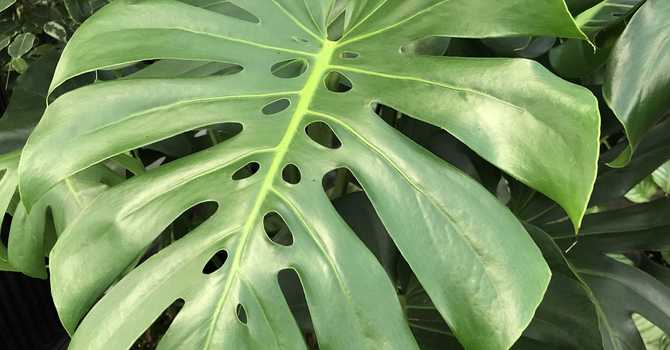
9. Indoor plants often struggle at this time of year, so remember the three golden rules: keep them near windows to optimize light; keep the temperature in your home down a little to improve humidity; and water with warm water only when the plants are dry. Misting regularly will help keep humidity levels up too. Remember, no repotting until April, and only then if the plants are truly rootbound and need to be transplanted.
10. Finally, the best therapy for the winter blahs, especially for anyone who loves gardening, is a seed catalogue. Just looking through and imagining all the fresh vegetables and colour you can grow provides the best promise of spring. Some seeds can be started in January too, just make sure you have the proper materials to get them growing, and a climate-controlled area to house them later until it’s time to plant outdoors. For a quick treat and to satisfy your urge to grow something now, try sprouting seeds… in just a few days you’ll be harvesting fresh produce indoors!